Pre-1.0 · Closed Playtest

STARS
REBORN// 4X · RTS · P2P

A real-time pausable 4X of fleet command, economic attrition, and fog-of-war. Procedural galaxies. Seven ship types. Matches end in 15–30 minutes — not thirty hours.

Ship Types
6+ STARBASE
Match Length
15–30MIN
Galaxy Size
3TIERS
Netcode
P2PAUTH HOST
TACNET · Live Telemetry
Turn Model REAL-TIME · PAUSABLE
Combat Triangle FIGHTER ▸ CRUISER ▸ FRIGATE
Fog of War SCAN-GATED · LAYERED
Economy WORKFORCE + MINING
Engine GODOT 4.6.2
Platforms WIN · LINUX · MAC
§ 01 · Overview

What you're looking at.

Stars Reborn is a real-time pausable 4X space strategy game built in Godot. Spiritual heir to the classic turn-based Stars! — stripped of the spreadsheet, dense with decisions.

Scout a procedural galaxy. Settle planets. Draft a fleet composition that counters what your opponent is building. Feint. Starve them of workforce. Collapse a front. Every match is a self-contained campaign that resolves in a single sitting.

No session lobbies, no monthly live-service grind. P2P netcode with an authoritative host — you host a match by IP and your opponent joins. That's it. Matches are designed to be replayed, not subscribed to.

Ship Types
7 TYPES
Six build-capable classes plus the starbase. One combat triangle.
Match Duration
15–30 MIN
Procedural pacing. Victory or defeat in a single sitting.
AI Opponents
3 DIFFICULTIES
Settler, Rusher, Expansionist. Distinct play styles, not stat inflation.
Multiplayer
2-PLAYER P2P
Host by IP (port 7777 UDP) or auto-discover on LAN. No servers required.
§ 02 · In-Engine

Live frames. No render passes.

FRAME.001 001 / 005
▸ FRAMES AUTO · 5.0s
§ 03 · Fleet Manifest

Seven types. One triangle.

▸ Combat Triangle
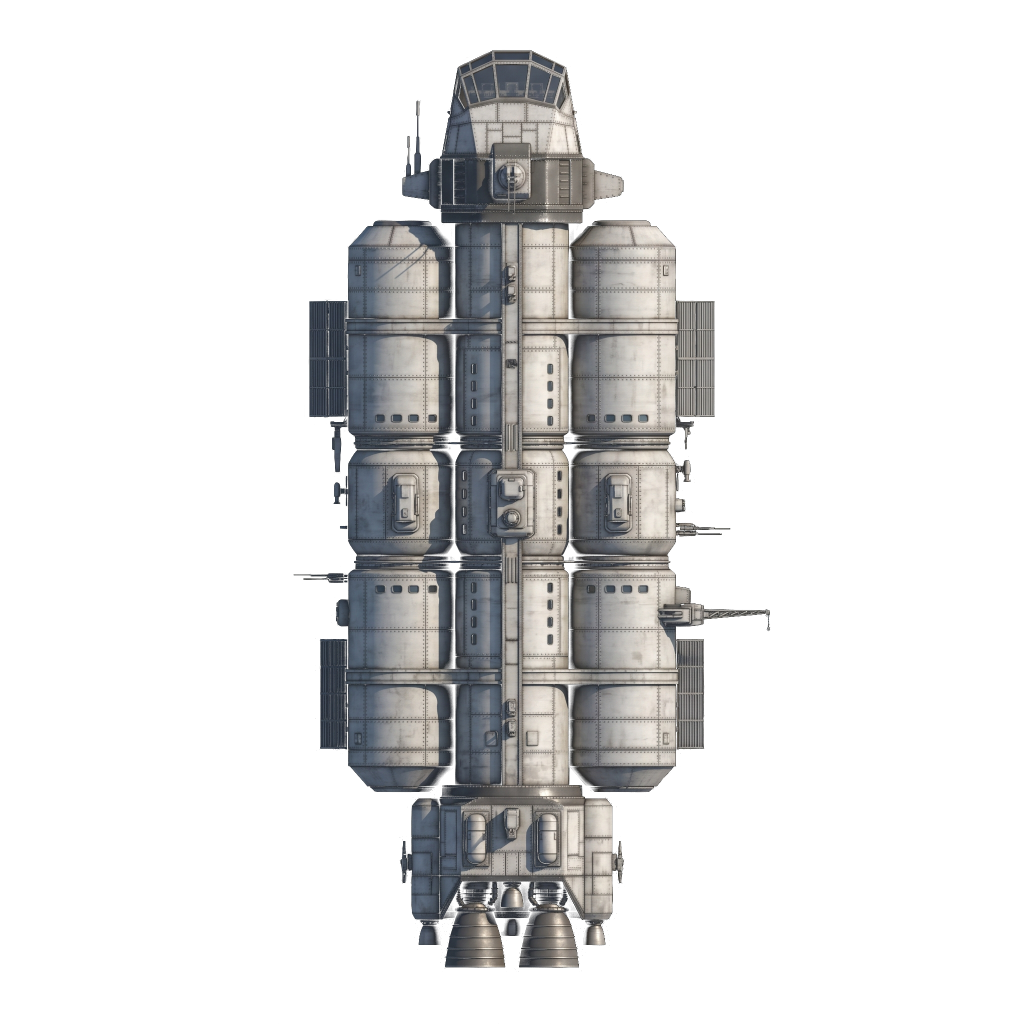
 Fighter ▸ beats ▸  Cruiser ▸ beats ▸  Frigate ▸ beats ▸  Fighter
SR-01 · CLASS SCT RECON
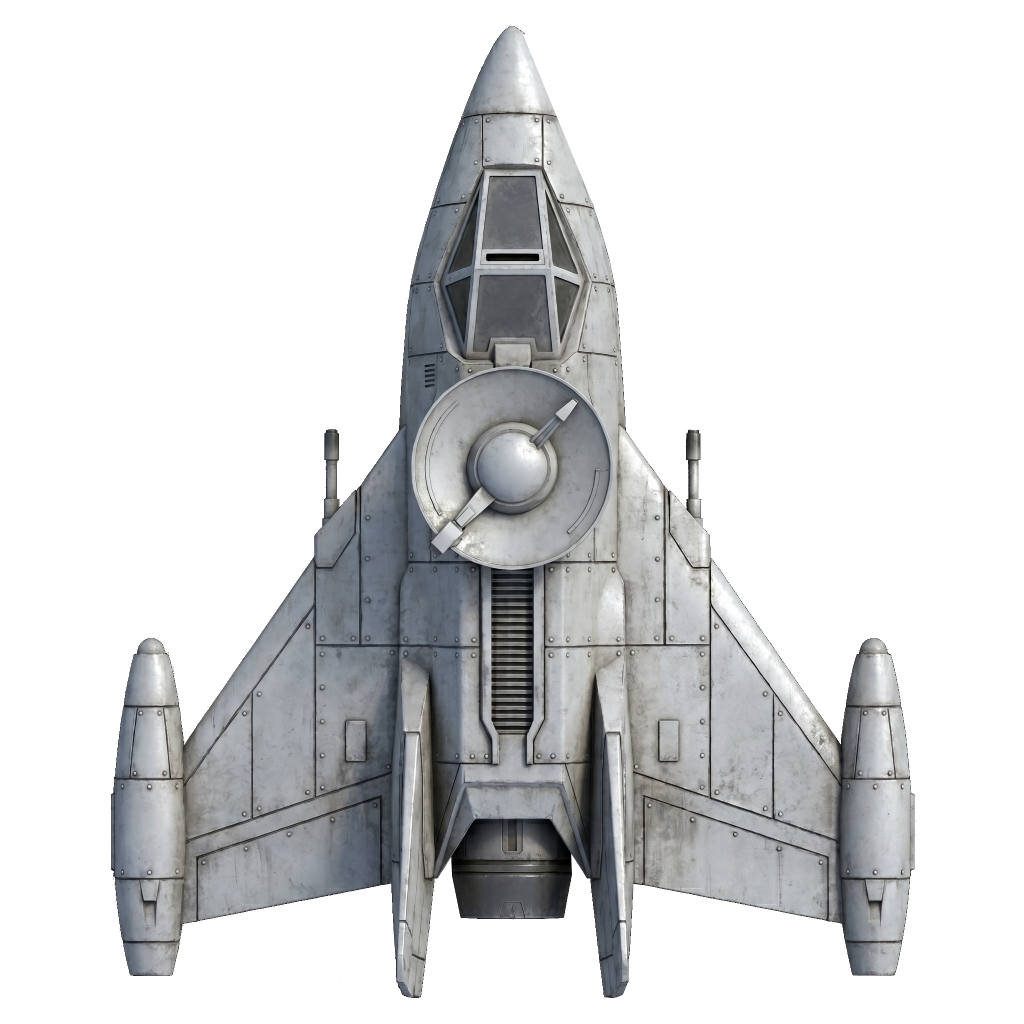
Scout Scout glyph
SCOUT
Long-range Reconnaissance
HP20 Speed180 Scan600 / 450 Evasion35% Cost50 m
SR-02 · CLASS FTR ▲ CRUISER
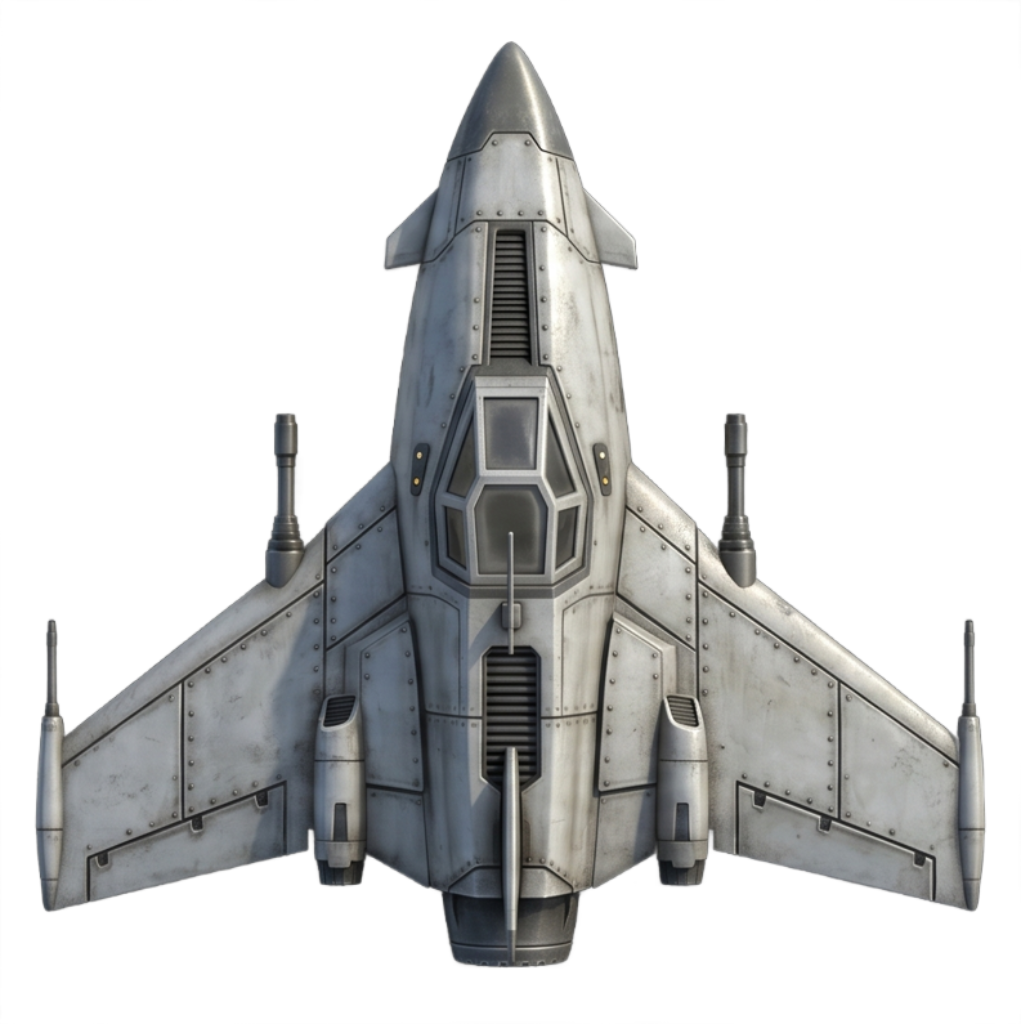
Fighter Fighter glyph
FIGHTER
Interceptor · Dead-zone Closer
HP90 Speed140 Attack20 Range70 px Cost100 m
SR-03 · CLASS FRG ▲ FIGHTER
Frigate Frigate glyph
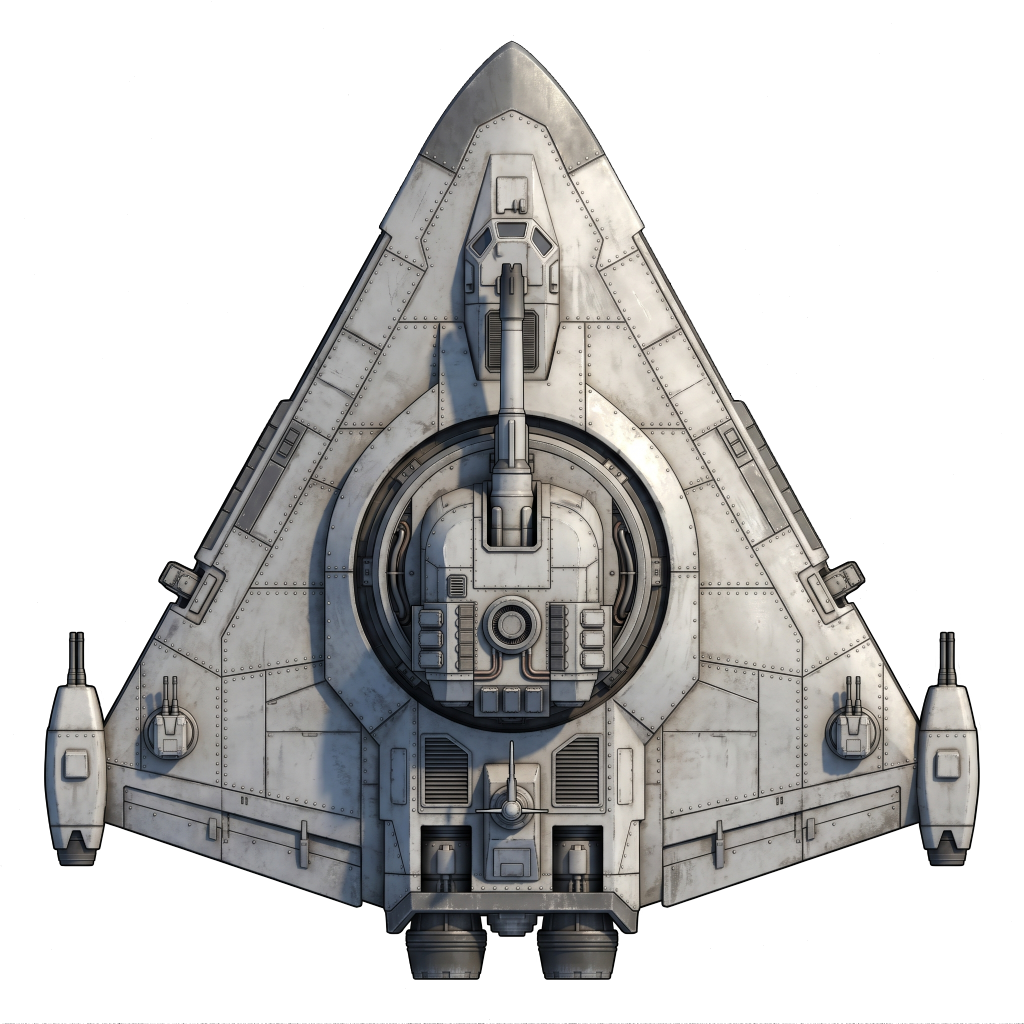
FRIGATE
Armored Brawler · Heavy Sensors
HP200 Speed70 Attack35 Range100 px Cost250 m
SR-04 · CLASS CRS ▲ FRIGATE
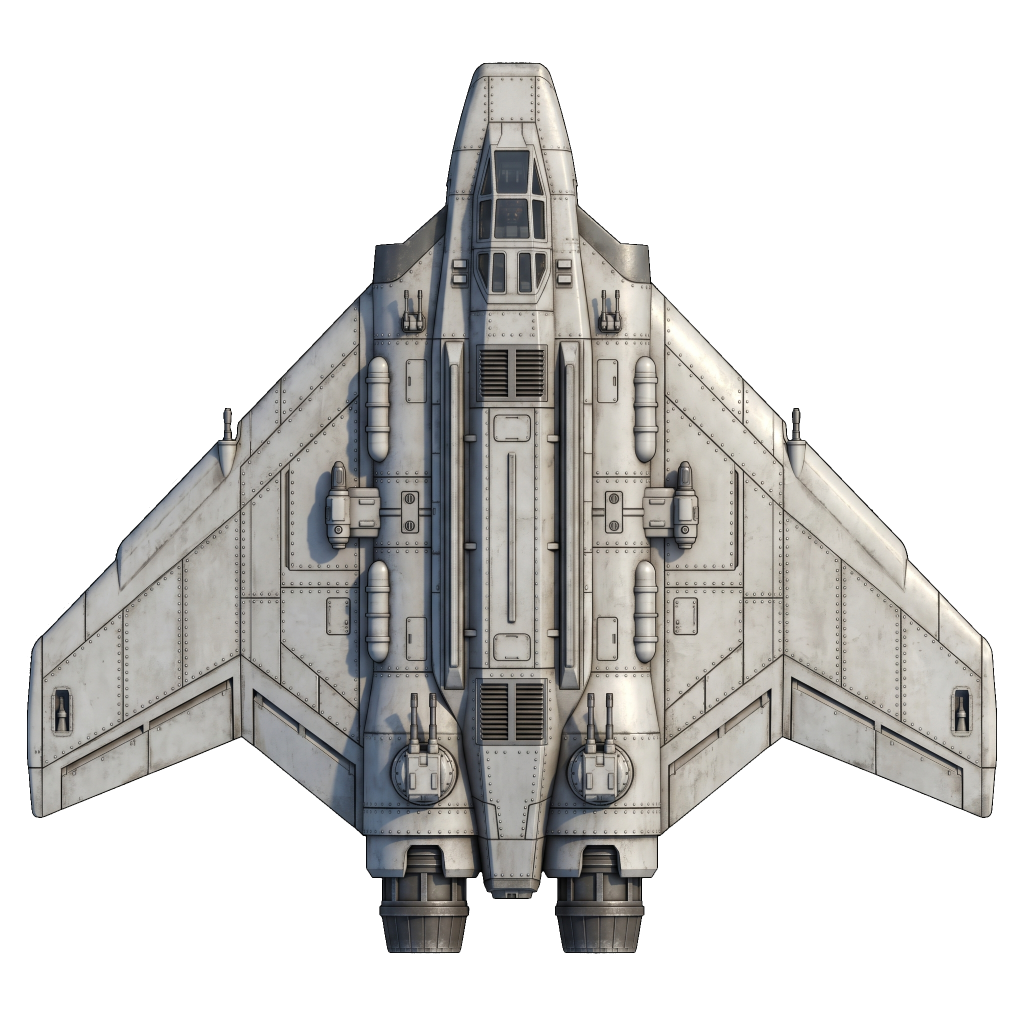
Cruiser Cruiser glyph
MISSILE CRUISER
Long-Range Missile
HP140 Speed55 Attack40 Range60–360 px Cost350 m
SR-05 · CLASS BMB SIEGE
Bomber Bomber glyph
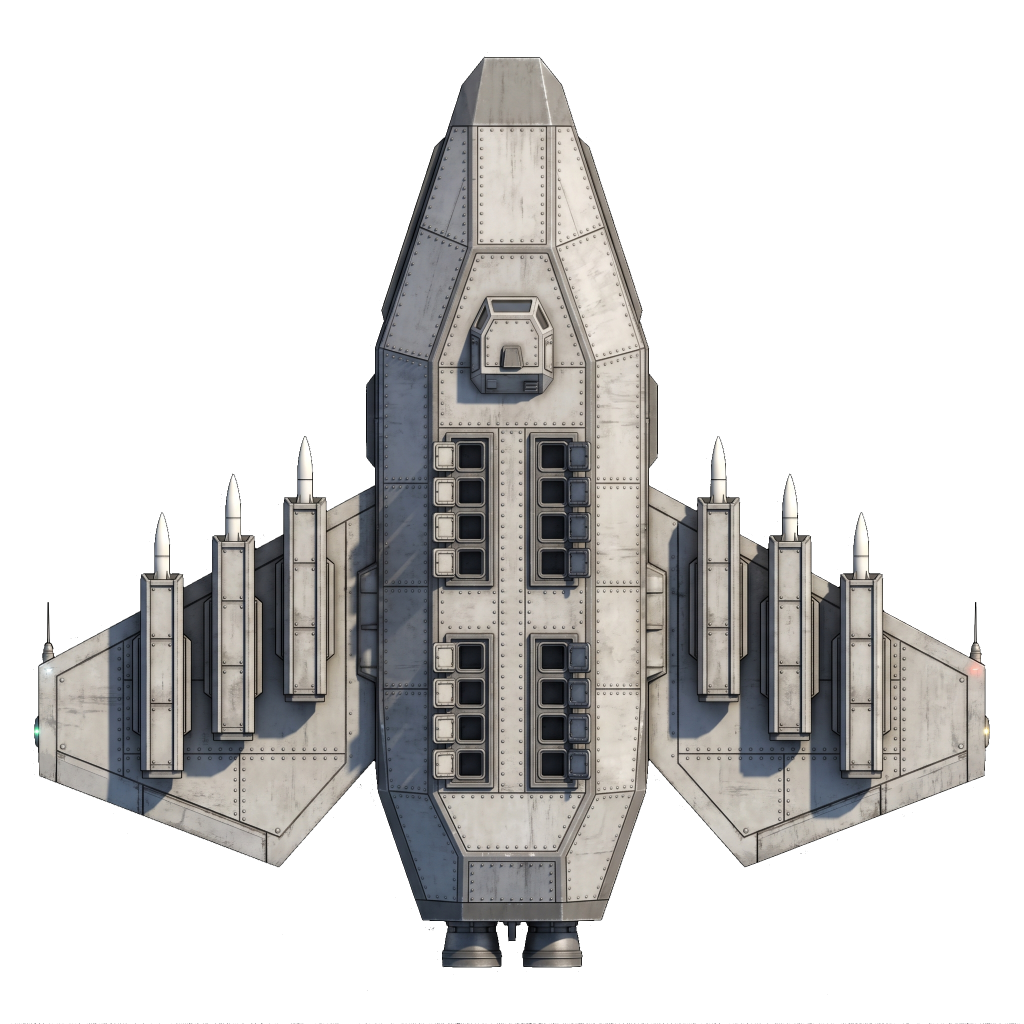
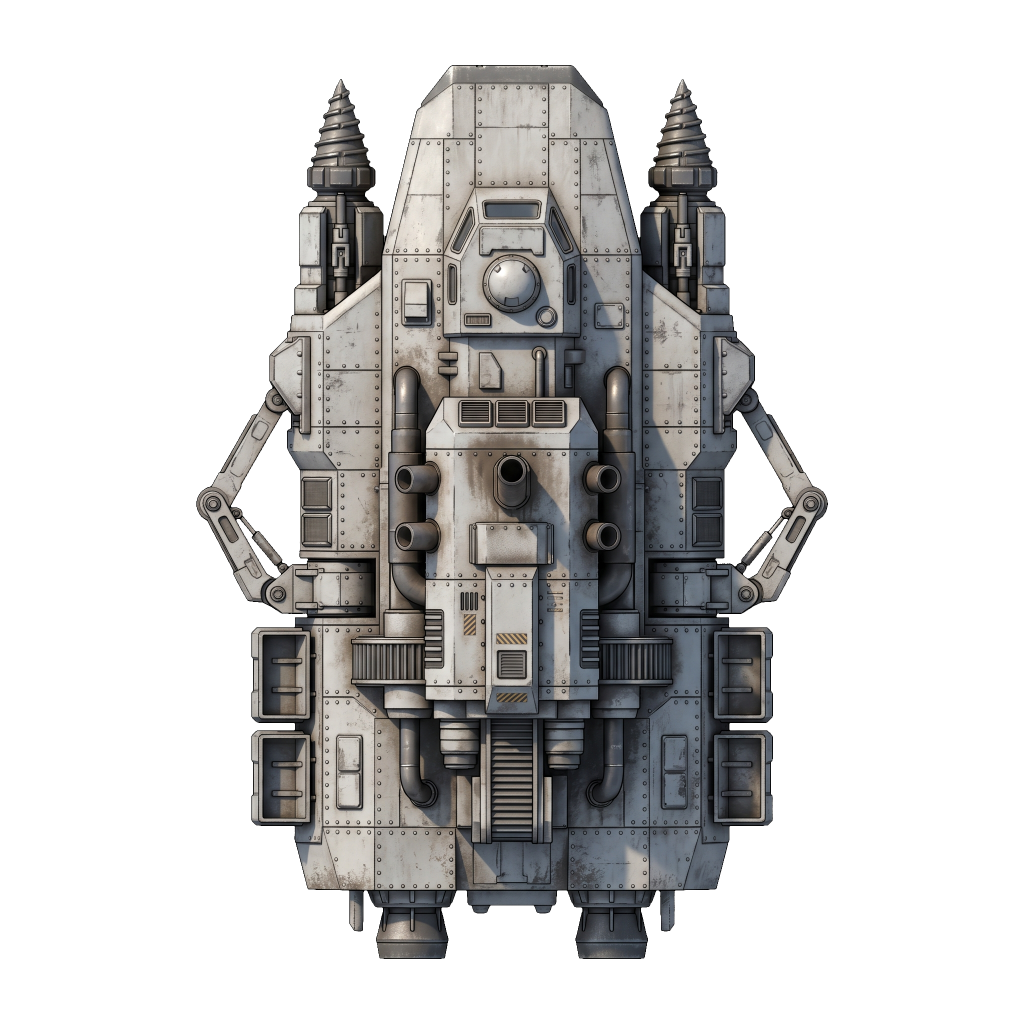
BOMBER
Orbital Siege
HP60 Speed90 Attack Rangeorbits Cost150 m
SR-06 · CLASS CLN EXPAND
Colonizer Colonizer glyph
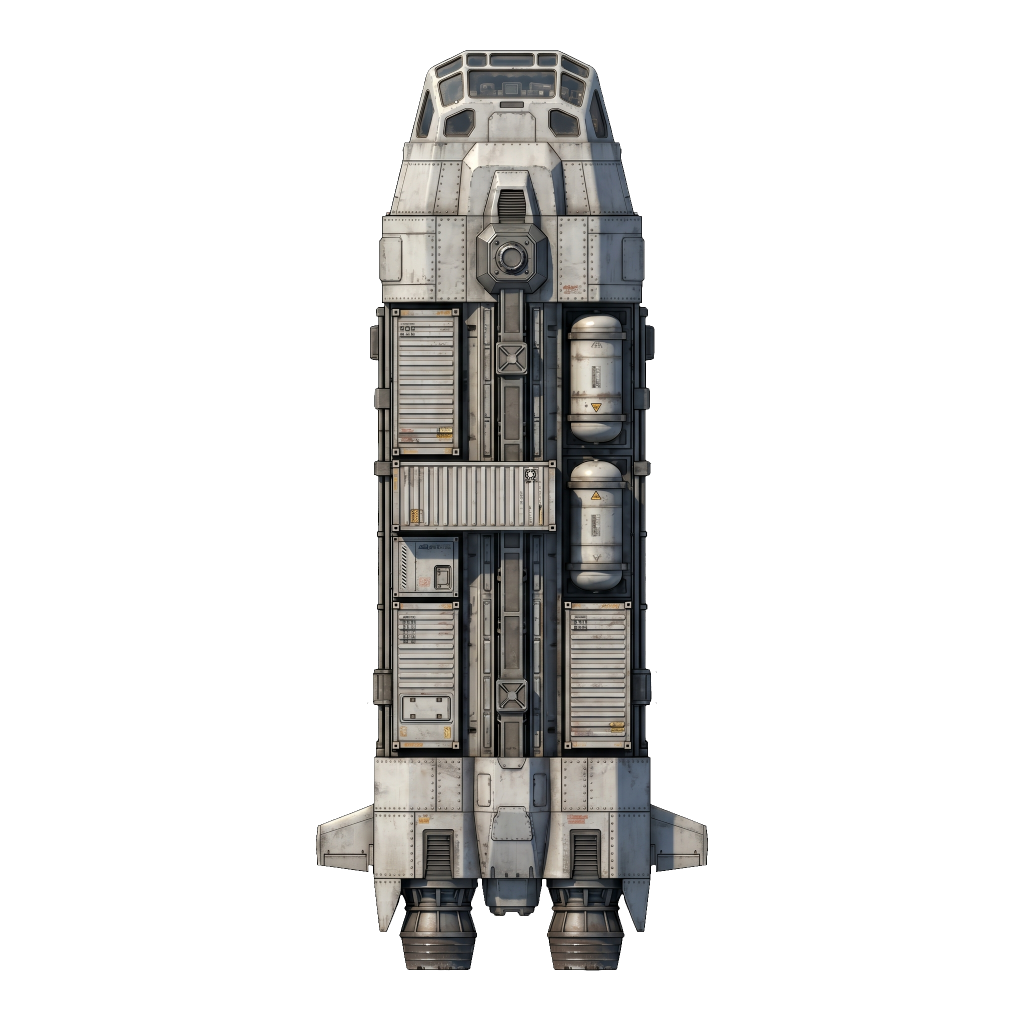
COLONIZER
Colony Deployment
HP40 Speed80 Attack Range Cost200 m + 50 pop
SR-07 · CLASS STB STATIC
Starbase Starbase glyph
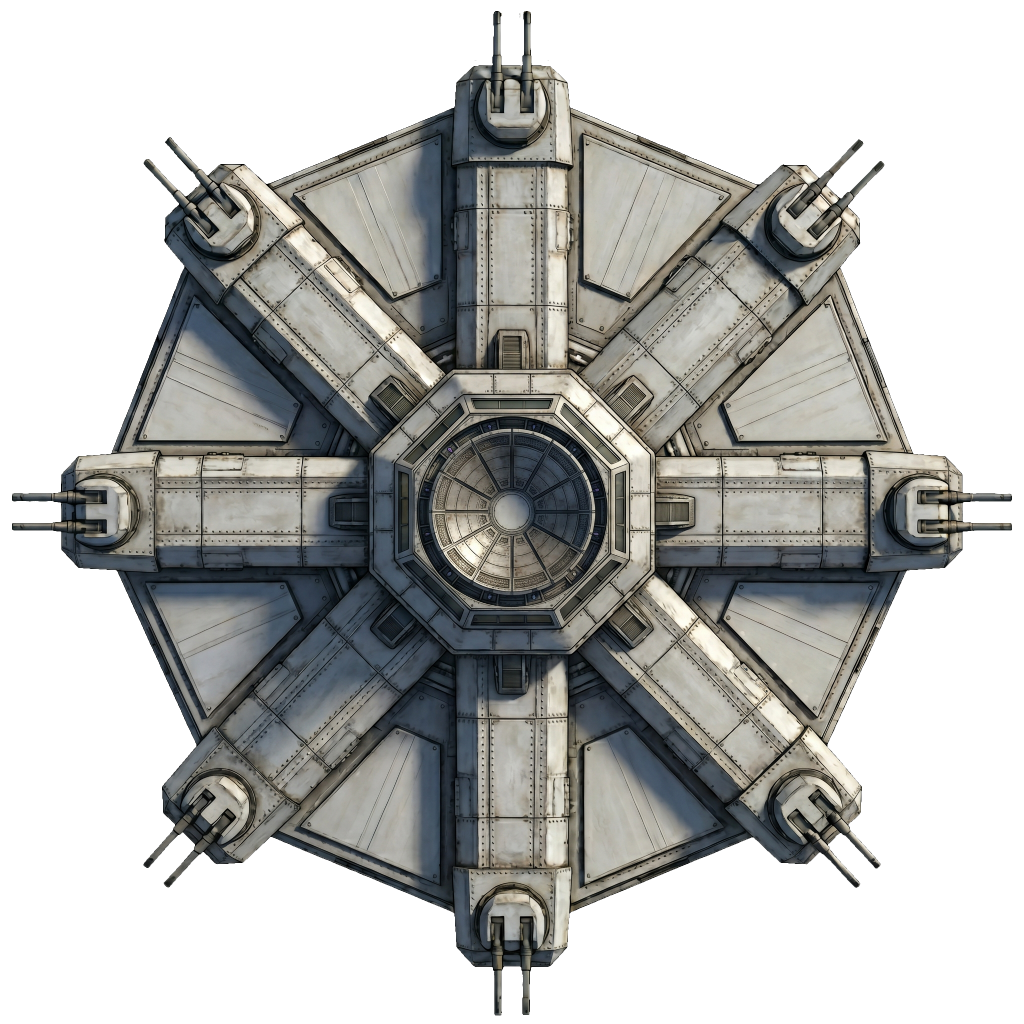
STARBASE
Orbital Platform · Home Star
HP500 SpeedSTATIC Attack80 Range130 px Costbuilt on-site
DOC · SR-DOC · DOCTRINE
▸ FLEET ROLES
FIGHTER — closes cruiser dead zone
FRIGATE — brawler, heavy sensors
CRUISER — long-range missile
BOMBER — bombs enemy stars
────────────────
SCOUT — 600 scan, 35% evasion
COLONIZER — claims neutral stars
STARBASE — home defender
▸ Refer to §03 · Combat
§ 04 · Systems Briefing

How it actually works.

Economy · Workforce & Mining

Planets run on a single resource: minerals. Output is the product of three levers — population, infrastructure (mines and factories), and a mining/production slider that splits workforce between the two.

  • Pop capsize × 10 × (habitability / 100). Hab gates both growth speed and the ceiling.
  • Workforcepopulation / 2, split by the per-star slider.
  • Staffing — each mine/factory wants 10 workers. Below that, efficiency drops proportionally.
  • Extractionmines × (concentration / 100) × efficiency. Concentration depletes as you mine.
  • Productionfactories × efficiency minerals converted into queued builds per tick.

At hab=50, a fully grown planet can exactly staff every building. Above 50 you run a workforce surplus; below 50 your infrastructure is permanently understaffed.

Home StarStarting Value
Habitability85
Population100 / 850
Mines10
Factories5
Concentration100
Surface Minerals100
Starbaseat match start
▸ One resource. No research tree, no tech unlocks. The deck is what you build.

Fog of War · Scan-Gated Vision

Vision is layered. Each of your ships and stars projects a movement-scan radius (wider, tracks position) and a narrower visibility radius (identifies hull, shows HP bar). What you see depends on which rings the enemy stands in.

  • Outside movement scan — enemy is invisible to you.
  • Movement scan only — enemy shows as an anonymous owner-color blob. Position known, type hidden.
  • Inside visibility — full hull + HP bar. For stars, scouts and scanners reveal full planet stats.
  • First contact — a sonar-pulse blip on the frame an enemy is first detected.

Combat is detection-gated: a ship can only target enemies someone on its team has inside movement scan. A cruiser at 360 px range with 80 px self-scan cannot fire without a scout or frigate spotting for it.

SourceMovementVisibility
Scout600450
Scanner I700350
Scanner II1500750
Frigate350262
Starbase200150
Fighter8070
Cruiser8060
Bomber8060
Colonizer8060
▸ Visibility = max(attack_range, move_scan × 0.75). No boost when attack ≥ move_scan.

Combat · Rock · Paper · Scissors

Combat resolves in real time. Proximity clustering engages enemies within 400 px. Ships attack on a 0.5-second cooldown with a 20% miss chance (seeded RNG); scout evasion checks before damage resolves.

  • Fighter ▸ Cruiser — fast enough to close inside the cruiser's 60 px dead zone. Once inside, the cruiser cannot fire.
  • Frigate ▸ Fighter — higher HP + DPS wins the brawl once the gap closes.
  • Cruiser ▸ Frigate — kills at 360 px before the frigate's 100 px guns are in range.
  • Detection-gated — you can only shoot what your team has in movement scan.
  • Bombers — orbit enemy stars at 80 px and deal 5 pop per 1-second bomb cycle. No air-to-air.
  • Formation line drag — right-click-drag with 2+ ships selected to spread them evenly along the line you draw. Sort order matches the line direction so paths don't cross. Useful for fanning a fleet into a firing line before contact; plain right-click still issues move / colonize / bomb / star commands.

Counters are stat-driven, not automatic wins. Bring the right composition for what you scouted — or pay for it.

ClassHPATKRange (px)Role
Fighter902070Dead-zone closer
Frigate20035100Brawler
Cruiser1404060–360Long range
Bomber60orbitsOrbital siege
Starbase50080130Home defender
▸ Cruiser range · 60–360 px
DEAD · 0–60
OPTIMAL · 60–360
OUTSIDE
▸ Counters are emergent — no explicit multipliers. The triangle works through dead-zone geometry and stat matchups, not hardcoded damage modifiers. 0.5 s cooldown · 20% miss · scout evasion 35%.

Galaxy · Procedural & Seedable

Every match generates its galaxy from a seed. Share the seed to replay the same map; reroll for a fresh draw. Star placement is deterministic from seed × map size, so both players see an identical galaxy at match start.

  • Small · 16 stars — 6000×6600 playfield. 1v1 duel. ~15 min.
  • Medium · 24 stars — 9000×9900. 1v1 extended. ~20 min.
  • Large · 36 stars — 12000×13200. 1v1 marathon. ~25–30 min.
  • Win conditions — elimination (zero stars AND zero colonizers), domination (≥60% of stars), or timeout at 30 min (most stars wins).

The galaxy picker in the main menu sets size. The seed field reseeds on every menu entry; edit it to reproduce a specific match, or hit the 🎲 button to re-roll.

TierStarsPlayfieldPlayersDuration
Small166000×66002~15 min
Medium249000×99002~20 min
Large3612000×132002~30 min
▸ Seeded RNG. Same seed + size ⇒ same galaxy on both ends.
§ 04.5 · Interactive Model
Economy simulator.
PLANET PARAMETERS
LIVE · INTERACTIVE
Planet Size100
Habitability85%
Current Population100
Population growth chart.
Max Population
Max growth / year
1 year =
0.5SEC
Years to 50% cap
Years to 90% cap
▸ max_pop = size × 10 × (hab/100) · growth/tick = pop × 0.00428 × (hab/100) × (1 − pop/max_pop) · 10 ticks = 1 year = 0.5 real seconds
§ 05 · Roadmap

What's Coming

Stars Reborn is actively developed. Here's where we're headed.

▸ MANIFEST · COMPLETE 11 / 11 · LIVE IN v0.53.1
Economy Combat Triangle Fog of War Multiplayer AI Opponents Tutorial Rally Points Patrol Mode Main Menu Scanners Build Queue
PHASE 01 · NEXT ECONOMY
Deeper Economy
The single resource becomes three: Iron for ships and basic infrastructure, Silicon for electronics, scanners and precision weapons, Germanium for advanced technology like bombers, mass drivers and battleships. Every planet becomes a strategic decision — control the Germanium-rich worlds and you control the late game. Add mining ships to extract from stars you can't colonize.
PHASE 02 · NEAR FLEET
More Ship Types
The roster grows from 7 to 12+. Destroyers, Battleships, Mine Layers, Sweepers, Freighters, Colony Transports. Each with a clear role — no filler units. Fleet composition matters.
PHASE 03 · MID RESEARCH
Five Research Fields
Weapons, Construction, Propulsion, Electronics, Energy. Three tiers each. Split your production between building and researching. Fall behind in weapons? Out-research your opponent in propulsion.
PHASE 04 · HORIZON LATE GAME
Mass Driver + Stargates
Stargates for instant fleet reinforcement. Mass Drivers for cross-galaxy mineral logistics — or as orbital bombardment weapons against enemy planets. The late game gets teeth.
▸ View the detailed alpha roadmap → Phase breakdown · Research tiers · Alpha criteria
§ 06 · Change Log

Recent deployments.

0.53.1 AUG 30 · 2026 FIX
▸ Reading the Map Just Got Easier
  • The ship overlay now shows who's actually there. The old military ring glowed on every system you owned whether or not anything was happening — a quiet colony read the same as a battlefield. It's now a plain count of the identifiable warships sitting in orbit: white if they're all yours, red the moment someone else's are there too.
  • Habitability and population share one view. Two separate map layers that were both really answering "can I live here, and how well" are now one — habitability, the population cap, and current population side by side on the same three bars per world.
  • Mineral readouts were hard to read at a glance. Each bar now carries its own number and a small permanent label, so you don't have to remember which bar was which or hover for a tooltip.
  • Overlay bars and ownership rings could linger on screen after you zoomed out past the point where a world's stats stop being shown — a stale reading left over from a world you'd already zoomed away from. Fixed so the display always clears when it should.
0.53.0 AUG 30 · 2026 FEATURE
▸ See the Galaxy, Not Just the Stars
  • Territory at a glance. Every system you or your opponent controls is now washed in its owner's colour, with a hard edge marking the border of what's actually held.
  • Four ways to read the map. Toggle between minerals, habitability, population, and military strength — one map button cycles them, and a key opens each directly. Zoomed out you get one number per system; zoom in and every world in it reports separately.
  • The map only shows what you've scouted. Live readings where you have a ship watching, a dimmed last-known value where you've been before but moved on, nothing at all where you've never looked.
0.51.0 AUG 29 · 2026 FEATURE
▸ Worlds Have Real Size
  • Every planet now has its own size. Worlds used to share one size with the star they orbit, so every planet in a system had identical build capacity and drew at the same radius — there was no reason to prefer one over another. Now two worlds in the same system can differ by nearly three times. Mine and factory caps are per-planet, so check each world before you commit to it.
  • A bigger world is a bigger deposit. Total mineral yield now scales with size and concentration, not concentration alone. Previously every planet held the same amount of ore no matter how large it looked — which meant big worlds, with more mine slots, actually ran dry sooner than small ones. A large rich world is now worth what it looks like.
  • Habitability decides how much of it you can work. A huge hostile world has mine slots its population can never staff. That makes the rich uninhabitable giant a genuine prize rather than a curiosity: you can only strip it with miners, and hauling the minerals home means freighter runs worth escorting — and worth intercepting.
  • Systems look like systems. Planet radius is drawn from its real size, so a glance at a system tells you which world is the prize and which is a pebble.
0.50.0 AUG 29 · 2026 FIX
▸ The Enemy Stops Broadcasting
  • Worker staffing tells you what to do. The planet panel would say "understaffed" without saying which side was short or by how much — so the one question that matters, mines or factories next?, was unanswerable. An info icon by the idle-worker count now opens the full breakdown: workers in mines, workers in factories, how many have nowhere to work, and a plain-language read on whether you need more buildings or more population. Those lead to opposite decisions, and "understaffed" was pointing at the wrong one.
  • You could hear the enemy through the fog. Construction and warp sounds played for every planet and ship in the galaxy whether or not you had ever scouted them — from the opening seconds you could hear your opponent's build cadence and fleet movements without spotting a thing. Sound now obeys the same rules as sight: if you can't see it, you can't hear it.
0.49.0 JUN 14 · 2026 BALANCE
▸ The Difficulty Ladder Sorts Itself Out
  • Harder opponents are actually harder now. The ladder was inverted — the beginner-friendly Settler was beating Hard and Brutal outright. If you had been treating Settler as a warm-up, it was quietly the toughest fight on the list.
  • Enemy colonies build shipyards. The root cause: AI colonies never built a starbase, and a planet without one cannot build ships. The entire enemy fleet trickled out of a single home world while minerals piled up unspent across every colony it owned. Established colonies now build starbases, so expect real fleets arriving from more than one direction — and defended colonies when you counterattack.
  • A settled opponent starts massing. Once it holds enough systems and the front is quiet, the AI stops thinning itself with new colonies and builds a standing fleet instead. Leaving a large AI alone to develop is no longer free.
  • Matches resolve. Around nine in ten now end in a decisive win rather than running out the clock.